- by Daily Talkin Staff
- July 8, 2026
-

-
-
Loading
Loading
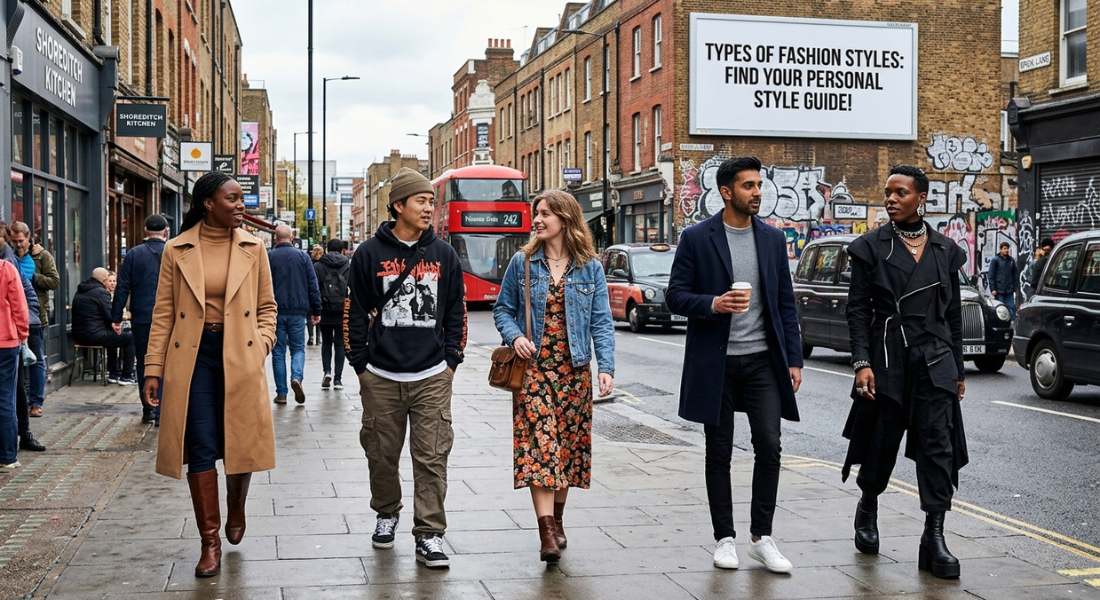
Types of fashion styles represent different ways people express their personality, lifestyle, and preferences through clothing. Colours, fabrics, silhouettes, and accessories combine to create unique looks that reflect individual identity.
Understanding these styles helps people build practical wardrobes and make confident fashion choices. Rather than following every trend personal style focuses on clothing that feels comfortable, suitable, and connected to personal taste.
This guide explores popular fashion aesthetics from classic and casual looks to creative styles while introducing detailed resources for specific fashion styles.
Types of fashion styles are different approaches to dressing that reflect personality, culture, lifestyle, and personal preferences. Each style uses specific colours, fabrics, silhouettes, and outfit choices to create a recognisable appearance.
Fashion styles allow people to express who they are through clothing without using words. Some prefer minimalist outfits while others choose bold streetwear or classic designs based on their comfort, personality, and lifestyle.
Types of fashion styles help express your personality, lifestyle, and individual preferences through clothing.
Popular fashion styles include casual, classic, minimalist, streetwear, vintage, bohemian, gothic, chic, and preppy, each offering a unique aesthetic.
Men's fashion styles commonly include classic, smart casual, streetwear, minimalist, and business casual looks for different occasions.
Choosing the right fashion style depends on your personality, lifestyle, comfort, and daily wardrobe needs, not just seasonal trends.
Building a strong fashion identity starts with wardrobe essentials, experimenting with different styles, and combining pieces that reflect your authentic personality.
Clothing choices often represent personal identity because they reflect individual interests, moods, and daily lifestyles. Creative personalities may prefer experimental looks while others choose timeless pieces that focus on simplicity and elegance.
Personal style develops through experiences, culture, and changing preferences over time. Many people combine different influences instead of following one fixed aesthetic creating a wardrobe that feels authentic and personal.
Fashion trends are temporary changes influenced by designers, celebrities, and social media platforms. They often gain popularity quickly but may lose attention after a short period.
Personal fashion styles usually remain consistent for longer because they are connected to individual preferences. People can follow current trends while adding modern elements to their existing style without losing their identity.
Understanding different types of fashion styles helps people choose clothing that matches their personality, lifestyle, and daily needs. It makes shopping easier by helping people identify suitable colours, fits, and designs while creating a more organised wardrobe.
Many people buy clothes without considering how different pieces work together. Learning about fashion styles encourages more thoughtful choices and helps create outfits that feel practical, intentional, and comfortable.
A personal wardrobe should reflect the way someone lives, works, and expresses themselves every day. Choosing clothing based on preferred styles makes outfit planning easier and creates a stronger connection with personal fashion choices.
Building a wardrobe around a specific style does not require strict rules. People can adapt their clothing according to seasons, occasions, and changing preferences while keeping their overall style identity.
Lifestyle plays an important role when choosing a suitable fashion style. Someone working in a professional environment may prefer tailored outfits while creative professionals may choose expressive pieces with unique details.
Location and culture can also influence fashion choices because different environments create different style preferences. For example Shoreditch in London is known for creative streetwear influences while Canary Wharf often reflects polished business and smart casual dressing.
Popular types of fashion styles include casual, classic, streetwear, minimalist, vintage, and many other aesthetics that help people create different looks. Each style has its own identity through colours, fabrics, silhouettes, and styling choices.
Fashion styles can also overlap because many people combine different influences. A wardrobe may include classic basics with streetwear accessories or vintage pieces with modern designs creating a more personal and creative appearance.
Casual fashion style focuses on comfort, simplicity, and practical everyday clothing choices. It commonly includes jeans, Tshirts, hoodies, trainers, and relaxed layers suitable for daily activities and informal occasions.
The main benefit of casual clothing is its flexibility. People can create comfortable outfits while expressing personality through colours, accessories, and footwear choices.
Classic fashion style is built around timeless clothing pieces that remain relevant across different seasons. It often includes tailored jackets, structured shirts, neutral colours, and elegant accessories.
This style focuses on quality, balance, and versatility. Many people choose classic fashion because it creates a polished wardrobe suitable for professional settings and everyday elegance.
Minimalist fashion style focuses on clean designs, simple silhouettes, and carefully selected wardrobe pieces. It usually uses neutral colours and high quality basics to create refined outfits without unnecessary details.
People who prefer minimal fashion often value functionality and versatility. A smaller collection of well chosen pieces can create multiple outfit combinations while maintaining a clear style identity.
Streetwear fashion style combines urban culture, comfort, and expressive designs influenced by music, sports, and youth movements. Common elements include oversized clothing, graphic pieces, trainers, and relaxed fits.
Modern streetwear has expanded beyond casual clothing and influenced global fashion. Cities such as London and Manchester have strong streetwear communities shaped by creative industries, music, and independent designers.
Bohemian fashion style reflects creativity, freedom, and natural influences through flowing fabrics, earthy colours, layered clothing, and handmade details. It creates a relaxed appearance with artistic character.
This style often uses materials such as cotton, linen, and crochet textures. Accessories including jewellery, scarves, and natural inspired pieces complete the expressive and comfortable look.
Chic fashion style combines modern elegance with simple polished clothing choices. It often includes fitted garments, neutral tones, stylish accessories, and balanced silhouettes.
Many people prefer chic style because it creates a refined appearance without looking excessive. Items such as blazers, tailored trousers, and simple dresses can easily create sophisticated outfits.
Preppy fashion style takes inspiration from traditional academic and collegiate clothing. It commonly includes polo shirts, knitwear, blazers, pleated skirts, and classic patterns.
Modern preppy fashion combines traditional elements with contemporary pieces. This makes the style adaptable for different occasions while maintaining a neat and structured appearance.
Gothic fashion style focuses on dark colours, dramatic designs, and alternative influences. It often includes black clothing, layered fabrics, statement accessories, and distinctive footwear.
The style has developed through music, subcultures, and creative communities. Variations such as romantic gothic and Victorian inspired fashion provide different ways to express individuality.
Grunge fashion style originated from the alternative music scene of the 1990s. It is known for relaxed silhouettes, distressed clothing, flannel shirts, and layered outfits.
Modern fashion enthusiasts continue using grunge influences through oversized pieces, vintage denim, and worn textures. The revival of 90s fashion has increased interest in this aesthetic.
Vintage fashion style draws inspiration from clothing designs of previous decades. It includes retro patterns, traditional cuts, unique fabrics, and nostalgic details that connect historical fashion with modern wardrobes.
Many people choose vintage style because it offers originality and character. Combining vintage pieces with contemporary basics creates a balanced look that feels both unique and wearable.
Avant garde fashion focuses on artistic and unconventional designs that challenge traditional clothing ideas. It uses unusual silhouettes, creative structures, and innovative materials to create visually distinctive outfits that often combine fashion with artistic expression.
This style is popular among designers and fashion enthusiasts who enjoy experimental looks. It explores unique shapes, textures, and concepts that go beyond everyday clothing making it a creative approach within modern fashion. Learn more about Avant Garde Fashion.
90s fashion is known for relaxed silhouettes, denim pieces, oversized clothing, and influences from music and youth culture. The style combines comfort with individuality through popular elements such as baggy jeans, flannel shirts, minimal outfits, and grunge inspired layers.
Many 90s trends have returned in modern wardrobes through updated styling. Explore the history, trends, and outfit ideas of 90s Fashion.
Dark Academia fashion combines vintage clothing, academic influences, and earthy colours to create a sophisticated aesthetic. It is inspired by literature, history, and traditional educational settings through pieces like tweed jackets, knitwear, tailored trousers, and layered outfits.
The style focuses on timeless fashion choices with a refined and intellectual appearance. Discover more about Dark Academia Fashion and its key wardrobe elements.
2000s fashion reflects early millennium trends influenced by pop culture, celebrities, and technology. It includes recognisable elements such as low rise jeans, crop tops, denim outfits, statement accessories, and playful silhouettes.
The revival of Y2K fashion has brought many early 2000s trends back into modern styling. Explore the evolution and styling ideas of 2000s Fashion.
Harajuku fashion is a Japanese street style recognised for creativity, individuality, colourful outfits, and mixing different fashion influences. It developed around Tokyo’s Harajuku district and became known for experimental styling and youth culture.
The style includes influences such as Kawaii, Decora, and Gothic Lolita, allowing people to express personality through unique combinations. Learn more about Harajuku Fashion and its cultural influence.
Types of men's fashion styles include classic, casual, smart casual, streetwear, minimalist, and business inspired looks. Each style helps men express personality while balancing comfort, lifestyle, and the occasions where outfits are worn.
Modern men's fashion combines influences from culture, sports, and digital communities. Many wardrobes now mix different aesthetics to create practical and individual looks.
Classic men's fashion style focuses on timeless clothing pieces such as tailored shirts, structured jackets, quality trousers, and leather shoes. It creates a polished appearance that works well for formal and professional settings.
Many industries including finance and law continue valuing classic tailoring. Professionals around London's City district often combine traditional pieces with modern smart casual elements.
Smart casual men's fashion style combines relaxed clothing with a refined appearance. It commonly includes button down shirts, chinos, knitwear, loafers, and lightweight jackets.
This style works well for workplaces, dinners, and social occasions because it offers a balance between comfort and professionalism.
Streetwear men's fashion style is influenced by urban culture, music, sports, and youth movements. Oversized hoodies, graphic Tshirts, trainers, and cargo trousers are common elements.
Creative areas such as Shoreditch in London continue influencing streetwear through independent fashion, art, and modern street culture.
Minimal men's fashion style focuses on clean designs, neutral colours, and versatile wardrobe pieces. It prioritises simplicity, functionality, and quality over excessive details.
A smaller collection of well chosen basics can create multiple outfits making this style practical for everyday dressing.
Business casual men's fashion style combines professional clothing with everyday comfort. It usually includes smart shirts, chinos, tailored trousers, knitwear, and polished footwear.
This style has become common in modern workplaces especially technology companies and creative industries that prefer flexible but professional dress codes.
Choosing the right type of styles in fashion depends on personality, lifestyle, comfort, and personal preferences. A suitable style should feel natural and represent individual identity rather than simply following temporary trends.
Finding a personal style takes time and experimentation. Exploring different colours, fits, and clothing choices helps people understand what works best for their daily needs.
Personal preferences play an important role when choosing a fashion style. The colours, fabrics, and outfits someone naturally enjoys wearing often reveal their preferred aesthetic.
Reviewing your existing wardrobe can also highlight useful patterns. Favourite pieces and frequently worn outfits help create a more intentional clothing collection.
A fashion style should match everyday activities and responsibilities. Professional environments may require polished clothing while creative lifestyles often allow more expressive choices.
Location and climate also influence clothing decisions. Choosing suitable fabrics, layers, and designs helps create a wardrobe that remains practical throughout the year.
Trying different fashion styles allows people to discover new preferences and create unique outfit combinations. Small changes such as adding new colours or accessories can improve personal style over time.
Modern fashion often combines multiple aesthetics such as classic clothing with streetwear elements or vintage pieces with minimalist designs. This creates a personal look instead of following one fixed style.
Modern fashion styles continue changing through social media, designers, cultural influences, and shifting consumer preferences. Many new aesthetics combine historical inspiration with contemporary clothing ideas.
Platforms such as Instagram, TikTok, and Pinterest have made fashion trends spread faster globally. People now adapt emerging styles according to their own personality and lifestyle.
Quiet luxury fashion focuses on refined simplicity, quality materials, and timeless wardrobe pieces. It avoids excessive branding and highlights craftsmanship through elegant basics and neutral colours.
Old money fashion draws inspiration from traditional luxury aesthetics and classic clothing choices. It commonly includes tailored pieces, knitwear, neutral shades, and sophisticated accessories.
Balletcore fashion combines ballet inspired elements with modern feminine styling. Soft colours, delicate fabrics, wrap tops, and graceful silhouettes create its romantic appearance.
Gorpcore fashion blends outdoor clothing with everyday street style. Technical jackets, functional layers, and hiking inspired footwear are key elements of this practical aesthetic.
Coquette fashion focuses on romantic details and vintage inspired femininity. Bows, lace, soft colours, and delicate accessories are commonly used to create a playful yet elegant look.
Building a fashion identity requires understanding personal preferences, experimenting with different styles, and creating outfits that feel authentic. A strong style does not depend on expensive clothing but on thoughtful choices that represent personality.
The goal is creating a wardrobe that feels natural and practical. Many people develop their fashion identity over time through experiences, changing lifestyles, and new inspirations.
Trying different outfits helps identify what feels comfortable and visually appealing. Personal style becomes stronger when clothing choices reflect individual confidence.
Essential wardrobe pieces create the foundation of a practical and flexible style. Items such as quality basics, versatile trousers, simple tops, and suitable footwear can support many outfits. These pieces make it easier to experiment with different aesthetics.
A strong foundation allows people to introduce new trends without completely changing their wardrobe. For example classic basics can be combined with streetwear accessories or vintage inspired pieces. This approach creates variety while maintaining consistency.
Combining different fashion styles allows people to create a unique appearance that reflects their personality. Many modern outfits include elements from multiple aesthetics rather than following one category. This makes personal style more creative and adaptable.
A person might combine minimalist clothing with avant garde accessories or pair vintage pieces with contemporary designs. The key is maintaining balance between different elements. Successful combinations usually feel intentional rather than random.
Developing a personal style requires patience and regular experimentation. Fashion preferences can change as people experience new environments, cultures, and influences. A flexible approach helps style grow naturally over time.
The best fashion identity is one that supports confidence and comfort. Whether someone prefers simple outfits or creative expressions the right style should feel authentic. Clothing becomes more meaningful when it represents the person wearing it.
Types of fashion styles provide different ways to express personality, lifestyle, and individual preferences through clothing choices. From classic and minimalist looks to streetwear and experimental aesthetics every style offers unique ways to create a personal identity.
Finding the right fashion style is not about following every trend or fitting into one category. It is about understanding what feels comfortable, practical, and authentic while building a wardrobe that represents who you are.
By exploring different styles, experimenting with combinations, and choosing pieces that match your lifestyle you can create a fashion identity that grows with you over time. The best style is one that feels natural and confident every day.
The main types include casual, classic, streetwear, minimalist, vintage, gothic, bohemian, and formal styles.
There are hundreds of fashion styles, including cultural, historical, modern, and alternative aesthetics.
Common men's styles include classic, casual, smart casual, streetwear, minimalist, and business casual fashion.
Yes combining different styles helps create a personal wardrobe that reflects individual preferences.
Explore different styles, test various outfits, and choose clothing that matches your lifestyle and personality.
Casual, streetwear, minimalist, and vintage inspired styles remain widely popular across different communities.



Reader Discussion
Leave a Reply