- by Daily Talkin Staff
- July 8, 2026
-

-
-
Loading
Loading
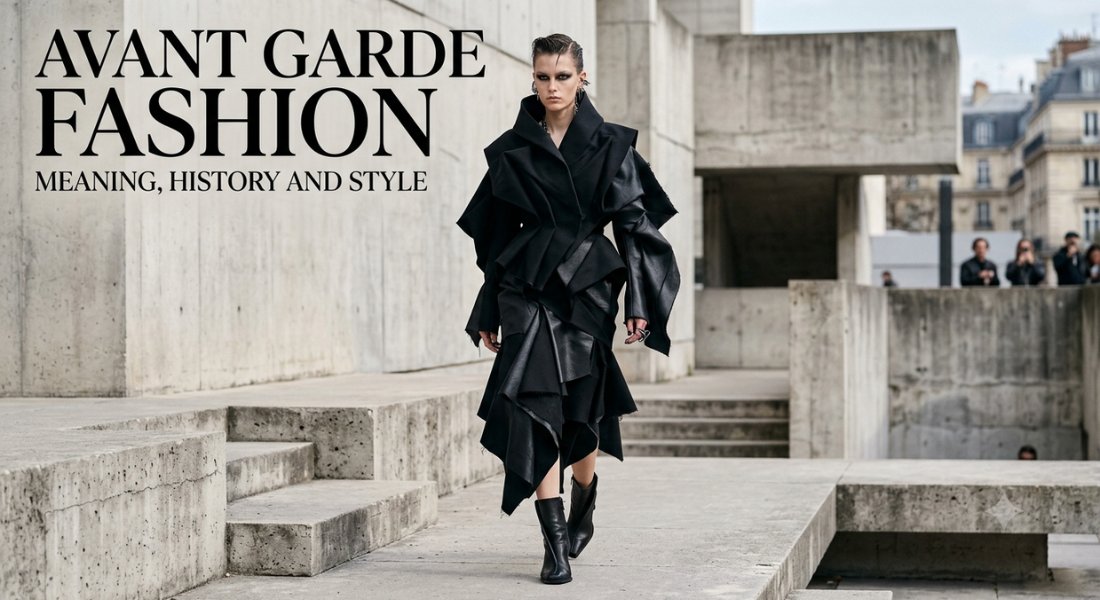
Avant garde fashion represents one of the most creative and influential movements in the fashion industry. Unlike conventional trends that focus primarily on wearability and mass appeal, avant garde fashion challenges traditional ideas about clothing, beauty, and self expression.
From sculptural silhouettes and experimental materials to conceptual runway presentations, avant garde fashion continues to inspire designers, artists, and luxury fashion houses around the world. While some garments may appear unconventional or even unwearable their purpose extends beyond aesthetics.
They encourage discussion, provoke thought, and redefine the possibilities of fashion design. Today, many of the innovations first introduced by avant garde designers fashion pioneers have influenced mainstream collections, luxury brands, and streetwear culture. Understanding this movement provides valuable insight into how fashion evolves through creativity and innovation.
Avant garde fashion is an experimental design philosophy that values creativity over conventional trends.
The movement is known for sculptural silhouettes, deconstruction, and innovative materials.
Designers such as Rei Kawakubo, Yohji Yamamoto, and Issey Miyake have shaped modern avant garde fashion.
Many concepts introduced by avant garde fashion later influence luxury brands and mainstream fashion.
Sustainability, digital innovation, and new technologies continue to shape the future of avant garde fashion.

Many people searching for what is avant-garde fashion want a simple definition. The term "avant-garde" comes from the French phrase meaning "advance guard" or those who move ahead of the mainstream. In fashion, avant garde fashion refers to experimental clothing and design concepts that challenge accepted norms.
Rather than following seasonal trends, designers create pieces that explore new forms, materials, techniques, and artistic ideas.
The primary goal is not commercial success but innovation. Avant-garde fashion often serves as a visual statement about culture, identity, society, or the future of design.
When discussing what is avant garde fashion, it is important to understand that it represents a philosophy rather than a specific style. Each designer interprets the concept differently, resulting in a wide range of creative expressions.
The avant garde fashion meaning extends beyond clothing. Historically, the term was first associated with artists, writers, and thinkers who pushed creative boundaries and introduced revolutionary ideas. During the late nineteenth and early twentieth centuries, avant-garde movements transformed art, literature, architecture, and music.
Fashion eventually adopted similar principles by embracing experimentation and rejecting convention. As designers began exploring unusual silhouettes and unconventional construction techniques, fashion became a medium for artistic expression. This shift helped establish the foundation of modern avant garde fashion. Today, the movement remains focused on originality, innovation, and creative freedom.
The development of avant garde fashion can be traced through several influential periods. Early twentieth-century artistic movements such as Futurism, Dadaism, and Surrealism encouraged designers to rethink traditional forms and aesthetics.
During the 1960s and 1970s, fashion experienced a wave of experimentation as designers challenged established industry standards.
The 1980s introduced Japanese innovators who transformed global perceptions of fashion design.
Their unconventional silhouettes, monochromatic palettes, and deconstructed garments became defining elements of the avant-garde movement.
In the modern era, technological advancements, sustainable materials, and digital fashion have expanded creative possibilities even further. Designers now incorporate innovative manufacturing processes and environmental considerations into their work.
The most recognizable aspect of avant garde fashion style is its willingness to challenge expectations. Several characteristics commonly appear across avant garde collections.
Avant garde garments often feature exaggerated proportions, oversized structures, asymmetry, and sculptural shapes.
Rather than following the natural lines of the body, designers reshape silhouettes to create dramatic visual impact.
Many designers intentionally expose seams, unfinished edges, and garment construction techniques. This approach reveals the creative process and challenges traditional ideas about finished clothing.
Avant garde fashion frequently incorporates unexpected materials, including metal, rubber, recycled textiles, plastic, and technical fabrics. The use of unconventional materials allows designers to explore new forms and textures.
Every collection typically begins with an artistic concept rather than a market trend. Designers use clothing to communicate ideas, emotions, and social commentary.
Black, white, gray, and neutral tones dominate many avant-garde collections. These restrained palettes emphasize form, texture, and construction rather than color.
One of the most noticeable features of avant garde style fashion is the frequent use of black. Black allows designers to highlight shape, proportion, and texture without visual distractions. It also conveys sophistication, mystery, and timelessness.
Many influential avant garde designers fashion leaders, including Yohji Yamamoto and Rei Kawakubo, have used black extensively throughout their careers. However not all avant-garde collections rely exclusively on dark colors. Some designers use bold contrasts and vibrant tones to emphasize conceptual themes.

Several visionary creators have shaped the history of avant-garde design.
Founder of Comme des Garçons, Rei Kawakubo transformed fashion by prioritizing concept over conventional beauty. Her collections often blur the line between clothing and sculpture.
Known for architectural tailoring and monochromatic palettes, Yohji Yamamoto combines minimalism with emotional depth. His work remains a cornerstone of avant-garde fashion.
Issey Miyake revolutionized fabric technology through innovative pleating techniques and experimental construction methods. His designs demonstrate how functionality and creativity can coexist.
Martin Margiela introduced deconstruction into mainstream fashion. His exposed seams, recycled materials, and anonymous branding challenged industry norms.
Rick Owens combines luxury craftsmanship with dramatic silhouettes and futuristic aesthetics. His work continues to influence both high fashion and streetwear.
Known for poetic designs and layered silhouettes, Ann Demeulemeester explores themes of individuality and artistic expression.
Many consumers searching for avant garde fashion brands are interested in labels that embody innovation and creativity. Some of the most respected names include:
Comme des Garçons
Yohji Yamamoto
Maison Margiela
Rick Owens
Issey Miyake
Ann Demeulemeester
Gareth Pugh
Iris van Herpen
These brands consistently challenge conventional fashion standards while maintaining strong artistic identities. Readers interested in luxury design may also enjoy Luxury Fashion Trends, Designer Fashion Guides, and Contemporary Fashion Movements.
The growth of avant garde luxury fashion brands demonstrates how experimental design can coexist with commercial success. Luxury consumers increasingly seek individuality and artistic value rather than traditional status symbols. As a result, avant-garde labels have gained significant recognition within global fashion markets.
Brands such as Rick Owens, Comme des Garçons, and Maison Margiela have expanded beyond niche audiences to influence luxury retail, runway trends, and contemporary culture. Their success proves that innovation can become a powerful competitive advantage within the luxury sector.
Although avant garde collections may appear unconventional, their influence extends throughout the fashion industry. Many trends initially introduced by avant garde designers eventually become mainstream.
Examples include:
Oversized silhouettes
Gender-neutral clothing
Sustainable design approaches
Deconstructed garments
Technical fabrics
Layered styling
Luxury brands and fast fashion retailers often adapt these concepts into commercially accessible products. This ongoing influence highlights the importance of experimentation within fashion innovation. Avant garde fashion is one of the most creative types of fashion styles, known for its experimental designs and artistic expression.
While most fashion styles focus on everyday wear, avant-garde pushes creative boundaries and continues to influence modern fashion trends.
Sustainability has become increasingly important within contemporary fashion. Many avant-garde designers embrace Environmental responsibility by incorporating recycled materials, upcycling techniques, and slow-fashion principles. Rather than focusing on seasonal consumption, these designers create pieces intended to remain relevant for years.
This approach aligns naturally with the movement's emphasis on creativity, craftsmanship, and individuality. As sustainability continues shaping industry priorities, avant-garde fashion may play an increasingly important role in developing innovative solutions.
Although both categories emphasize craftsmanship and creativity, important differences exist. Haute couture focuses on luxury, exclusivity, and meticulous tailoring. Garments are often custom-made for individual clients.
Avant-garde fashion prioritizes experimentation and conceptual expression. While couture celebrates technical perfection, avant-garde design often embraces disruption, imperfection, and artistic exploration. Both contribute significantly to fashion innovation but serve different purposes.
High fashion generally refers to luxury clothing produced by established fashion houses. These collections typically balance innovation with commercial appeal. Avant garde fashion, however, places creative exploration above market considerations.
Designers may intentionally create garments that challenge conventional notions of beauty, wearability, and functionality. As a result, avant-garde fashion often operates at the intersection of art and design.
Many people admire avant-garde collections but feel uncertain about incorporating them into everyday wardrobes. The key is balance. Start with one statement piece, such as an asymmetrical jacket, oversized coat, or architectural accessory. Pairing avant-garde elements with simpler garments creates a more approachable look while maintaining visual interest.
Layering, monochromatic color schemes, and unique textures can also help introduce avant-garde aesthetics gradually.
Fashion enthusiasts often explore Minimalist Fashion Styling, Luxury Streetwear Trends, and Designer Wardrobe Essentials when building an avant-garde-inspired wardrobe.

As technology advances, avant-garde fashion continues evolving. Digital design tools, artificial intelligence, 3D printing, and sustainable manufacturing methods are expanding creative possibilities.
Future collections may incorporate interactive materials, virtual garments, and innovative production processes. Despite these developments, the core mission remains unchanged challenging conventions and exploring new forms of creative expression.
This commitment to innovation ensures that avant-garde fashion will continue influencing the industry for generations.
Avant garde fashion continues to redefine the boundaries of creativity, innovation, and self expression within the fashion industry. More than a clothing style it represents a philosophy that challenges conventional ideas and encourages new ways of thinking about design.
From experimental silhouettes and deconstructed garments to the work of influential avant garde designers fashion pioneers, the movement has shaped both luxury fashion and mainstream trends.
Today, avant garde fashion brands remain at the forefront of innovation, introducing concepts that influence everything from runway collections to everyday style.
As sustainability, technology, and artistic expression become increasingly important, avant garde fashion will continue to inspire future generations of designers and fashion enthusiasts.
Whether you are exploring its history, discovering avant garde luxury fashion brands, or developing your personal style, understanding this movement offers valuable insight into the future of fashion.
Avant garde fashion is a creative approach to clothing design that emphasizes experimentation, innovation, and artistic expression over conventional trends and commercial appeal.
The avant garde fashion meaning originates from the French term meaning "advance guard." It describes fashion that pushes boundaries and introduces new ideas ahead of mainstream trends.
Notable designers include Rei Kawakubo, Yohji Yamamoto, Issey Miyake, Martin Margiela, Rick Owens, and Ann Demeulemeester.
Common characteristics include asymmetrical silhouettes, deconstruction, innovative materials, conceptual design, and sculptural construction.
Black emphasizes form, texture, and structure while creating a timeless aesthetic that supports conceptual design.
Many avant garde luxury fashion brands operate within the luxury market because they focus on craftsmanship, exclusivity, and artistic value.
Many contemporary avant-garde designers support sustainability through slow-fashion principles, recycled materials, and innovative production techniques.
Avant garde designers often introduce new silhouettes, materials, and concepts that later become popular across luxury, premium, and mass-market fashion.





Reader Discussion
Leave a Reply