- by Daily Talkin Staff
- July 8, 2026
-

-
-
Loading
Loading
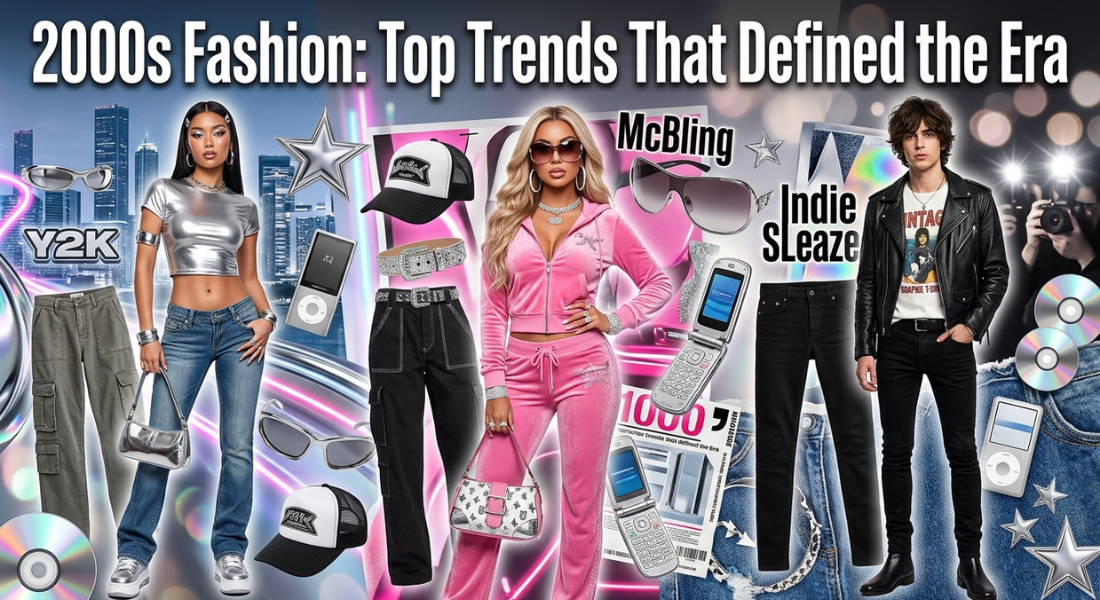
2000s fashion was bold, expressive, and heavily influenced by celebrity culture, music, and the internet. From low rise jeans and baby tees to velour tracksuits the decade introduced trends that celebrated individuality and pop culture.
The era was defined by iconic aesthetics like Y2K, McBling, and indie sleaze each bringing a unique style to the decade. Today the 2000s fashion aesthetic is trending again as Gen Z revives these looks through TikTok, vintage shopping, and social media.
This guide explores the history of 2000s fashion, its biggest trends, womens and mens styles, hiphop influence, popular brands, and modern styling tips. You'll discover how these iconic looks continue to shape fashion today.
2000s fashion blended celebrity culture, streetwear, and futuristic Y2K influences into one of the most recognizable style eras.
The decade was shaped by three major aesthetics: Y2K, McBling, and Indie Sleaze, each with its own signature clothing and accessories.
Popular wardrobe staples included low-rise jeans, cargo pants, baby tees, velour tracksuits, mini skirts, and oversized sunglasses.
Hip-hop culture, music videos, and celebrities played a major role in influencing fashion trends worldwide.
Many iconic 2000s fashion brands, including Juicy Couture, Ed Hardy, Von Dutch, Hollister, and luxury labels, defined the era.
The 2000s fashion revival is fueled by TikTok, vintage shopping, and modern designers reimagining classic trends.
The easiest way to wear 2000s fashion today is to combine one or two nostalgic pieces with modern basics for a balanced, wearable look.
2000s fashion refers to the clothing and style trends popular between 2000 and 2009. The decade blended futuristic ideas with celebrity influence, streetwear, and rapidly growing internet culture.
Unlike previous decades dominated by a single trend the 2000s welcomed multiple aesthetics giving people greater freedom to express their personal style. The rise of the internet, entertainment magazines, and paparazzi culture made celebrity fashion more accessible than ever.
Fans could instantly copy outfits worn by musicians, actors, and socialites helping trends spread worldwide within weeks instead of months. Technology also shaped fashion during this period.
Metallic fabrics, shiny finishes, and sleek silhouettes reflected optimism about the new millennium, while denim, graphic T shirts, and sportswear became everyday essentials.
Another major shift was the growth of fast fashion. Affordable retailers made runway inspired clothing available to a wider audience allowing fashion trends to spread faster and reach consumers across the globe.
The early years of the decade revolved around futuristic Y2K style. Designers embraced metallic fabrics, holographic accessories, chrome colors, and glossy materials inspired by technology and the excitement of the new millennium.
Low rise jeans quickly became wardrobe staples, often paired with baby tees, cropped jackets, rhinestone belts, and colorful handbags. Clothing featured bold logos, glitter details, and eye catching embellishments that reflected the eras glamorous personality.
Beauty trends completed the look with glossy lips, frosted eyeshadow, thin eyebrows, and shimmering makeup creating one of the most recognizable aesthetics in fashion history.
By the middle of the decade fashion shifted toward more relaxed and wearable styles. Boho chic became increasingly popular, introducing flowing dresses, layered jewelry, oversized handbags, and earthy color palettes. Denim continued to dominate through jeans, jackets, skirts, and dresses.
Celebrity influence also reached new heights. Reality television, red carpet events, and entertainment magazines turned famous personalities into everyday fashion inspiration encouraging consumers to recreate their favorite looks.
Instead of following one trend, people began mixing luxury pieces, vintage finds, and casual basics making personal style more creative and individual.
Early 2000s fashion was defined by futuristic design and bold self expression. As the world entered a new millennium, fashion embraced metallic colors, shiny fabrics, and technology inspired aesthetics that symbolized progress and innovation.
This movement became known as Y2K fashion. Designers introduced chrome finishes, glossy leather, reflective materials, and sleek silhouettes. Silver, white, icy blue, and metallic shades dominated both runway collections and everyday wardrobes.
Music videos, television shows, and celebrity culture quickly transformed these futuristic designs into mainstream fashion making Y2K one of the decade's most recognizable styles.
Several wardrobe staples continue to define early 2000s fashion today. Cargo pants offered both comfort and style while mini skirts became everyday favorites when paired with knee high boots or platform sandals. Baguette bags added a fashionable touch to casual and dressy outfits.
Baby tees featured playful graphics and fitted silhouettes while velour tracksuits combined comfort with luxury. Trucker hats, oversized sunglasses, and chunky platform shoes completed many classic Y2K outfits. These pieces remain among the strongest symbols of authentic 2000s fashion and continue to influence todays collections.
Celebrity culture played a major role in shaping early 2000s fashion. Paparazzi photos, entertainment magazines, and reality television turned celebrities into global style icons. Britney Spears popularized denim on denim outfits, sparkling stage costumes, and low rise jeans.
Paris Hilton became the face of the glamorous McBling aesthetic with pink velour tracksuits and oversized sunglasses while Jennifer Lopez inspired fans through body hugging dresses and statement accessories.
Because celebrity outfits were constantly photographed and shared fashion trends spread faster than ever making celebrity style one of the biggest influences of the decade.
The evolution of 2000s fashion women reflected the decades obsession with celebrity culture, luxury brands, and ever changing trends. Womens wardrobes combined glamorous eveningwear with casual everyday outfits inspired by music videos, magazines, and television.
The rise of the "It Girl" made actresses, singers, models, and socialites global fashion icons. Their outfits influenced millions of fans and accelerated trend adoption around the world.
Womens fashion embraced fitted silhouettes, denim, bohemian dresses, rhinestone embellishments, and bold accessories. Rather than following strict fashion rules women mixed different styles to create unique and personal looks.
By the mid 2000s boho chic became one of the decades defining trends. Inspired by vintage fashion and relaxed silhouettes it emphasized effortless elegance.
Flowing maxi dresses, embroidered blouses, wide belts, layered necklaces, oversized handbags, suede boots, and floral prints became everyday essentials. Natural fabrics and earthy colors offered a softer alternative to the bold Y2K aesthetic.
Boho styling also encouraged layering scarves, cardigans, and textured accessories creating relaxed yet fashionable outfits that remain popular today.
While boho chic offered a relaxed look glamorous eveningwear remained a major part of 2000s fashion women. Celebrities regularly appeared on red carpets wearing figure hugging dresses, sparkling embellishments, and luxurious fabrics that quickly inspired mainstream fashion.
Bodycon dresses became one of the decades signature pieces. Stretch fabrics, satin, sequins, metallic finishes, and later bandage dresses highlighted confident feminine silhouettes. These elegant styles dominated award shows, parties, and celebrity events throughout the decade.
Accessories completed the look with oversized sunglasses, hoop earrings, rhinestone clutches, metallic heels, and statement jewelry. Loose curls, sleek straight hair, glossy lips, and shimmering eye makeup perfectly matched these glamorous outfits.
Thanks to fashion magazines, entertainment shows, and paparazzi culture celebrity red carpet looks reached consumers almost instantly making luxury inspired fashion more accessible than ever.
2000s fashion men evolved dramatically during the decade blending influences from hip hop, skateboarding, sportswear, rock music, and designer fashion. Instead of following one trend men experimented with relaxed silhouettes, layered clothing, and bold accessories.
Streetwear became one of the decades strongest influences. Oversized clothing, graphic T shirts, athletic wear, and designer sneakers blurred the line between casual and luxury fashion. Musicians, athletes, and actors helped turn these styles into global trends.
As internet culture expanded fashion inspiration became easier to access allowing streetwear to reach mainstream audiences worldwide.
Casual 2000s mens fashion focused on comfort without sacrificing style. Loose fitting clothing dominated the early years before slimmer silhouettes gained popularity later in the decade.
Cargo pants were everyday essentials usually paired with graphic T shirts, polo shirts, hoodies, or zip up jackets. Relaxed fit denim jeans remained wardrobe staples throughout the decade.
Layering was another defining feature. Men commonly combined T shirts with open button down shirts, denim jackets, varsity jackets, or lightweight hoodies. Baseball caps, chain necklaces, watches, and trucker hats completed casual outfits.
Sneakers became central to men's fashion. Basketball shoes, skate shoes, and athletic sneakers evolved from sportswear into everyday fashion essentials helping establish modern sneaker culture.
By the late 2000s mens fashion shifted toward indie sleaze. Unlike the oversized styles of the early decade this movement favored slimmer fits, vintage inspired clothing, and minimalist styling.
Skinny jeans became wardrobe essentials often paired with graphic T shirts, leather jackets, plaid shirts, blazers, and Chelsea boots. Dark shades like black, charcoal, and navy reinforced the movement's understated appearance.
Inspired by indie music and alternative culture this style emphasized individuality over luxury logos. It marked the transition from oversized streetwear to cleaner more tailored fashion while maintaining a focus on personal expression.
2000s hip hop fashion had a major impact on global style. Hip hop artists transformed clothing into a statement of identity, influencing fans, luxury designers, and mainstream retailers around the world.
Oversized clothing defined much of the decade. Baggy jeans, basketball jerseys, hoodies, varsity jackets, and oversized T shirts reflected confidence and individuality. Bold accessories such as oversized chains, diamond jewelry, luxury watches, fitted caps, and statement sunglasses completed the look.
Sneaker culture also exploded during this era. Limited edition releases and celebrity collaborations turned sneakers into highly sought after fashion pieces while designer accessories became common additions to everyday streetwear.
Several brands became synonymous with 2000s hip hop fashion. Ed Hardy stood out for tattoo inspired graphics and rhinestone details while Von Dutch made trucker hats a global trend.
Rocawear and Sean John combined premium quality with urban style becoming favorites within hip hop culture. Oversized denim matching tracksuits, branded hoodies, basketball jerseys, luxury belts, and designer accessories defined the signature look. These brands represented more than fashion they reflected music, culture, and entrepreneurial success.
Although 2000s hip hop fashion began in the United States, it quickly spread across Europe, Asia, and other regions through music, television, and the internet.
Young people adapted oversized clothing, sneakers, fitted caps, and layered jewelry to suit local fashion cultures. Luxury brands also embraced hip hop by collaborating with artists and athletes permanently changing the relationship between streetwear and high fashion.
Many of these influences remain visible today with oversized hoodies, designer collaborations, premium sneakers, and logo driven clothing continuing to dominate modern streetwear.
The biggest 2000s fashion trends reflected a decade that celebrated creativity, celebrity influence, and personal expression. Instead of following one dominant style, fashion blended glamorous luxury, casual streetwear, and vintage inspiration. \
Many of these trends have returned proving their lasting appeal.
Denim defined the 2000s. Jeans, jackets, skirts, dresses, and even handbags became everyday wardrobe staples. Denim on denim outfits also gained popularity becoming one of the decade's most recognizable trends.
Low rise jeans dominated the early years usually paired with baby tees or fitted tank tops. Later skinny jeans gradually replaced bootcut styles creating a slimmer silhouette by the end of the decade.
Distressed finishes, embroidered pockets, rhinestones, and decorative stitching added personality to denim pieces making them suitable for both casual and dressy outfits.
Accessories were essential to completing a 2000s fashion look.
Popular choices included:
Chunky belts
Hoop earrings
Layered necklaces
Oversized sunglasses
Baguette handbags
Trucker hats
Platform sandals
Charm bracelets
Rhinestone hair clips
Metallic handbags
These statement pieces allowed people to personalize simple outfits while embracing the bold spirit of the decade.
The 2000s fashion aesthetic consisted of three major styles, each defining a different phase of the decade.
Y2K celebrated technology and the excitement of the new millennium.
Key features included:
Metallic fabrics
Chrome accessories
Baby tees
Cargo pants
Mini skirts
Platform shoes
Reflective sunglasses
Silver handbags
Glossy makeup
Futuristic silhouettes
Bright metallic colors and holographic finishes became symbols of early 2000s fashion.
McBling focused on luxury, glamour, and celebrity inspired style.
Signature elements included:
Velour tracksuits
Rhinestones
Glitter details
Luxury logos
Pink color palettes
Oversized sunglasses
Designer handbags
Bodycon dresses
High heels
Statement jewelry
This glamorous aesthetic reflected the influence of celebrity culture and reality television.
Emerging in the late 2000s indie sleaze favored effortless styling over polished glamour.
Its signature pieces included:
Skinny jeans
Leather jackets
Graphic T shirts
Plaid shirts
Vintage clothing
Dark color palettes
Minimal accessories
Converse style sneakers
Messy hairstyles
Rock inspired layering
Unlike McBling indie sleaze emphasized individuality and simplicity.
Authentic real 2000s fashion was shaped by both luxury designers and accessible retail brands. The growing popularity of vintage shopping has also supported the return of 2000s fashion.
According to ThredUp’s Annual Resale Report, the global secondhand apparel market is projected to reach $350 billion by 2028, highlighting how consumers are increasingly choosing vintage and sustainable fashion options.
Luxury labels that influenced the decade included:
Gucci
Dior
Chanel
Balenciaga
Louis Vuitton
Prada
Versace
Dolce & Gabbana
These brands popularized logo accessories, designer handbags, premium denim, and glamorous eveningwear that inspired fashion worldwide.
Fast fashion expanded rapidly during the 2000s making celebrity inspired clothing more affordable.
Popular brands included:
Juicy Couture
Abercrombie & Fitch
Hollister
H&M
Forever 21
American Eagle
Ed Hardy
Von Dutch
These brands helped accelerate fashion trends while making stylish clothing accessible to a broader audience.
The revival of 2000s fashion is driven by nostalgia, social media, and sustainable shopping. Platforms like TikTok and Instagram have introduced Y2K trends to a new generation while thrift shopping has made authentic vintage pieces easier to find.
At the same time designers continue updating classic styles such as cargo pants, mini skirts, metallic fabrics, and low rise jeans for modern wardrobes. The combination of nostalgia and contemporary styling has made 2000s fashion one of todays biggest trends.
According to Google Trends data, searches for Y2K fashion have seen a significant resurgence in recent years as younger generations rediscover early 2000s aesthetics through social media platforms.
This renewed interest has helped bring trends like cargo pants, metallic fabrics, and baby tees back into modern wardrobes. While 2000s fashion introduced iconic trends like Y2K, McBling, and Indie Sleaze, it also highlighted how personal style evolved through different eras and cultural influences.
If you'd like to explore more types of fashion styles and discover the characteristics that define each look, read our complete guide covering the most popular fashion aesthetics and timeless trends.
The key to wearing 2000s fashion today is combining vintage inspiration with modern basics. For a casual Y2K look pair cargo pants with a fitted baby tee white sneakers, and a small shoulder bag.
If you prefer McBling wear one statement piece such as a rhinestone handbag or velour jacket with neutral clothing. Men can recreate 2000s streetwear using relaxed cargo pants, oversized T shirts, sneakers, and denim or bomber jackets.
For indie sleaze, combine skinny jeans, leather jackets, and vintage graphic tees with simple accessories. Keeping the outfit balanced prevents it from looking like a costume while maintaining the nostalgic feel.
2000s fashion remains one of the most influential style eras in modern history. From futuristic Y2K looks and glamorous McBling outfits to indie sleaze and hip hop streetwear, the decade celebrated confidence, creativity, and individuality. Today these iconic trends continue to inspire designers, influencers, and everyday fashion lovers.
By mixing classic 2000s pieces with modern essentials you can create stylish outfits that feel both nostalgic and contemporary proving that the best trends never truly go out of fashion.
2000s fashion is known for low rise jeans, baby tees, cargo pants, velour tracksuits, oversized sunglasses, metallic fabrics, logo heavy accessories, and strong influences from celebrity culture and hip hop.
Its comeback is driven by nostalgia, TikTok trends, thrift shopping, and designers reimagining classic Y2K styles.
The decade is mainly defined by three aesthetics Y2K, McBling, and Indie Sleaze.
Popular brands included Juicy Couture, Ed Hardy, Von Dutch, Hollister, Abercrombie and Fitch, Gucci, Dior, Chanel, Louis Vuitton, and Balenciaga.
Modern casual 2000s mens fashion combines relaxed cargo pants, oversized or fitted T shirts, sneakers, and lightweight jackets with minimal accessories.




Reader Discussion
Leave a Reply